Selling a House with a Septic System: What Owners Need to Know
Selling a property with a septic system involves more preparation than selling a home connected to a mains sewer. Buyers may want to know whether the system has been maintained, whether it is working properly and whether any issues need attention. Reviewing its condition and records before the property goes on the market can help you answer those questions and avoid preventable uncertainty during the sale.
Establish What System Your Property Has
Start by confirming the type of on-site wastewater system installed. It may be a conventional septic tank with an absorption trench or drainage area, or another system such as an aerated wastewater treatment system (AWTS).
If you are unsure about the type of system installed, check any available property documentation or contact your local council for information about the system and its operating requirements.
In the Clarence Valley, Council requires properties with an on-site wastewater management system to have approval to operate. An existing approval does not transfer to the new owner when a property changes hands, so provide the incoming owner with the existing approval documentation and confirm the requirements for obtaining a new approval with Council.
Check When the Septic Tank Was Last Pumped Out
A septic tank gradually accumulates sludge and scum as it treats household wastewater. These solids need to be removed periodically to maintain capacity and help prevent problems.
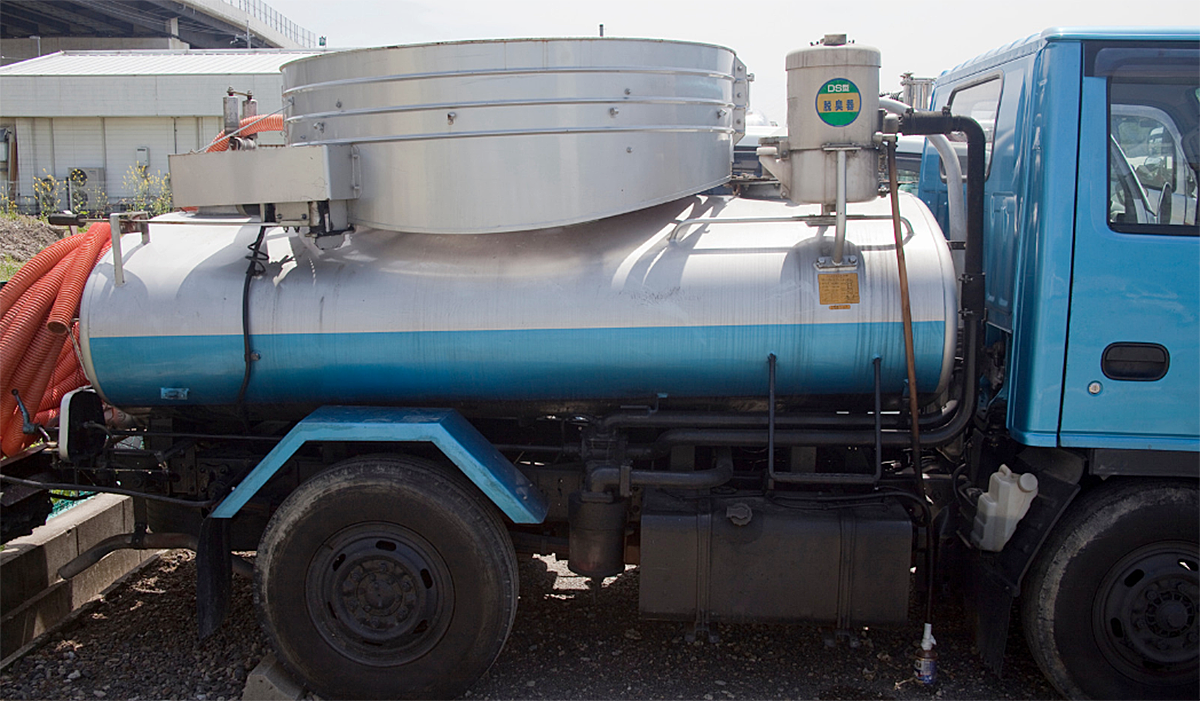
As a general guide, Clarence Valley Septics recommends a septic tank pump out every three to five years. The appropriate interval can vary with tank size and household usage, so the date of the last service is a useful starting point when deciding whether another pump out may be due.
Look for an invoice or service report showing when the tank was last emptied. If you cannot find a record, or it has not been serviced for several years, arrange an assessment rather than assuming it can wait until after the sale.
A pump out removes accumulated waste, but it does not confirm that the whole wastewater system is in good condition. The tank, pipework and disposal area have separate functions and may need attention for different reasons.
Recognise Signs of Septic System Problems
Before listing the property, pay attention to how the system operates and whether there are signs of trouble. Slow-draining plumbing throughout the house, sewage odours, wastewater backing up, unusually wet ground or pooling near the tank or disposal area can indicate a problem.
These symptoms do not necessarily mean the tank needs pumping. They may point to a blockage, damaged component or a problem with the disposal area. Avoid opening or entering a tank yourself. Septic tanks can contain hazardous gases and wastewater, so assessment and servicing should be left to professionals.
If you notice a problem, arrange for it to be investigated and keep a record of the findings and any work completed. Addressing an issue before settlement gives you a clearer understanding of the system and helps avoid leaving an unresolved problem for the incoming owner.
Consider an Independent Septic System Inspection
A pump out is not the same as a full septic system inspection. If you want a clearer picture of the system’s overall condition before selling, consider engaging a licensed plumber or wastewater consultant experienced in on-site systems.
An inspection may assess the tank and accessible components, look for leaks or damage, and consider the condition of the drainage or land application area. The scope will depend on the system and what can safely be accessed. Ask what is included and request a written report recording any concerns and recommended work.
An independent assessment can identify work that may need attention before the property goes on the market. The findings can also provide useful information to share with prospective buyers.
Keep the Records Together for the Sale
Gather the available records relating to your septic system so you can provide them to prospective buyers if requested. Useful documents include council correspondence, system plans or manuals, pump out receipts, maintenance records, inspection reports and invoices for repairs.
Maintenance and service records show what work has been completed and when. They also help the new owner understand the system’s servicing history and ongoing maintenance needs. Be upfront about known issues or work that remains outstanding, rather than relying on a recent pump out to suggest that every part of the system has been checked.
Prepare for a More Informed Sale
Good preparation means knowing what system is on the property, understanding its maintenance history and investigating concerns before they become last-minute questions. A recent pump out alone cannot establish the condition of the entire system, so keep servicing and inspection records distinct.
For septic tank cleaning and pump out services across the Clarence Valley and surrounding Northern NSW areas, contact Clarence Valley Septics on 6645 3100.