Liquid Waste Removal for Waste Facilities
Waste facilities must manage more than the solid waste they receive. Liquid waste can come from operational activities, contaminated wash water and landfill leachate, a contaminated liquid that forms when water passes through waste. If these liquids are not managed properly, they can create environmental risks, consume storage capacity and disrupt site operations.
A practical approach starts with understanding each waste stream, preparing the site for collection and confirming the appropriate disposal destination. These steps help operators organise safe liquid waste removal while meeting site and disposal requirements.
Identify Liquid Waste Streams and Their Risks
The types of liquid waste generated depend on the facility and its activities. Wastewater from cleaning areas, oily water, sludge and other contaminated liquids may need different management approaches. Landfill leachate requires particular attention because it may contain contaminants that need to be assessed before disposal.
Leachate composition can vary with the waste present, landfill age and weather conditions. Operators should not assume it is ordinary wastewater or suitable for discharge without first checking its composition. Where the contents of a waste stream are uncertain, seek appropriate advice and arrange testing if required before collection or disposal.
Keeping different waste streams separate where practical can simplify management and avoid complications during collection and disposal. Mixing liquids may restrict which facilities can accept them. Records of the source, estimated quantity and known characteristics also help determine suitable equipment and destination.
Manage Leachate Collection and Storage
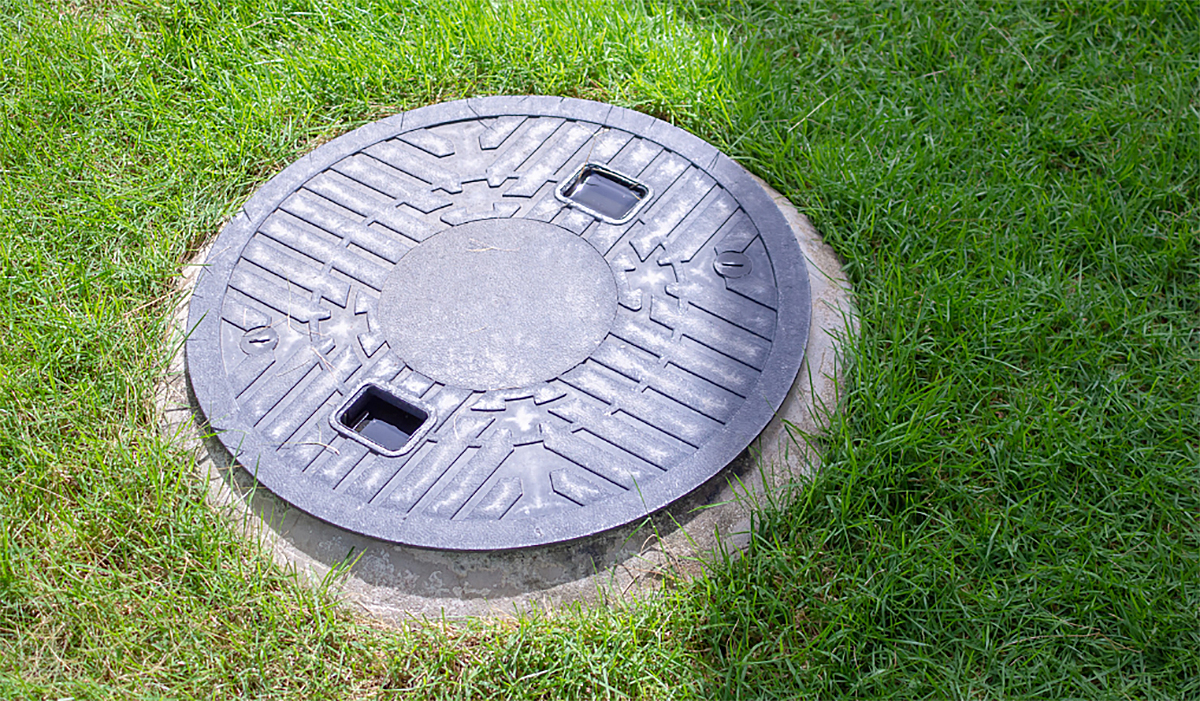
Landfill leachate should be directed into designated collection and storage systems, rather than allowed to accumulate in uncontrolled areas or escape into the environment. Operators should inspect collection points, pumps, pipes, tanks and containment areas for damage, leaks, blockages or signs of seepage.
Rainfall can increase the volume of liquid requiring management. Understanding how quickly leachate builds up during wet weather helps operators plan storage capacity and collection frequency. If volumes rise unexpectedly, operators should be able to arrange additional removal before storage limits are reached.
Inspections should form part of routine site management. Any suspected leak, overflow or equipment failure needs prompt attention under the site’s environmental and emergency procedures. Functional collection systems and adequate storage give operators more time to respond to changing conditions.
Prepare The Site and Choose Suitable Removal Equipment
Planning a collection requires consideration of both the liquid waste and the site’s layout. Restricted access, uneven ground, the position of tanks or pits and vehicle access can all affect how work is carried out. Before booking, identify where the liquid is held, estimate the volume and explain any access restrictions or site-specific safety requirements.
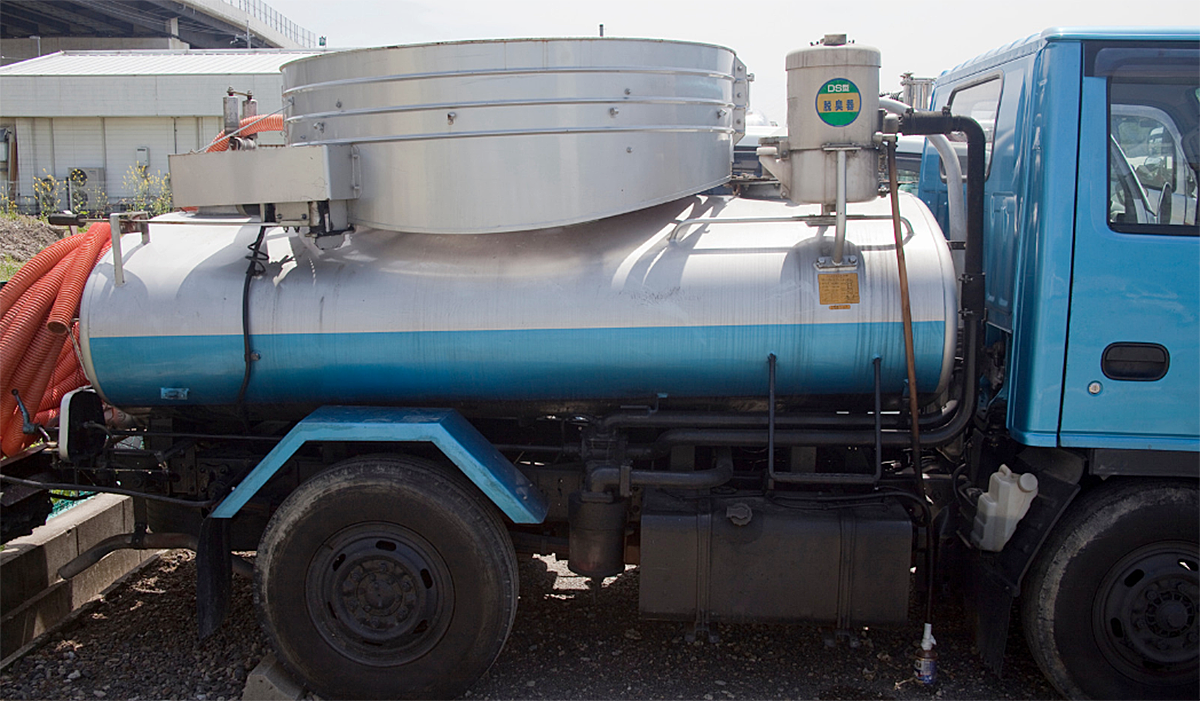
The removal method should suit the waste type, volume and location. Vacuum tankers can be suitable for removing bulk liquid from tanks, pits and collection systems, but vehicle capacity and site access need to be considered together. A smaller vehicle may require multiple trips, while a larger tanker may not be able to reach a restricted area.
Clarence Valley Septics provides bulk liquid waste removal using tankers with capacities ranging from 10 to 26 kilolitres, including solutions for leachate and other polluted water.
Confirm The Correct Handling and Disposal Pathway
Removing liquid from the site is only one stage of responsible waste management. It must be transported to a facility authorised and equipped to receive that particular waste. Acceptance conditions differ, so confirm the destination before collection rather than assume all liquid waste can go to the same place.
The waste’s composition may determine whether it needs treatment, separation or other processing before final disposal. Leachate and industrial liquids should not be released to land, stormwater drains or waterways unless relevant approvals allow it. If a waste stream is hazardous or subject to additional controls, confirm the requirements for classification, transport, documentation and tracking that apply in the relevant jurisdiction.
Keep records of the waste collected, quantities, collection dates, transport arrangements and destination. This documentation supports internal oversight and helps demonstrate that waste has followed the appropriate management process. Site procedures should also clearly identify responsibility for arranging collections, providing waste information and retaining records.
Plan Collections Around Site Conditions
A planned collection schedule can help prevent storage areas reaching capacity and reduce urgent call-outs. Use previous collection records and observed accumulation rates to estimate how often removal is needed, then review the schedule when site operations or weather patterns change.
Establish who monitors levels and contacts the contractor, and when an extra collection should be arranged. Provide the contractor with updated information if the waste type, volume or site access changes. Planning does not replace inspections, but it helps the facility respond before a problem affects operations.
Arrange Liquid Waste Removal for Your Facility
Effective liquid waste management requires suitable equipment, reliable collection arrangements and appropriate disposal pathways. These measures help facilities manage contaminated liquids responsibly.
Clarence Valley Septics provides bulk liquid waste removal for leachate and other contaminated liquids. Call us on 6645 3100 to discuss your facility’s requirements.