Septic System Maintenance Checklist: Prevent Costly Repairs
For rural households across Northern NSW, regular septic system maintenance helps prevent overflows, protect the environment and extend the life of the tank and drain field. This practical checklist covers professional inspections, septic tank pumping, responsible water use, waste disposal and drain-field care.
Septic System Maintenance Checklist
- Arrange professional inspections at the interval recommended for your system and local requirements.
- Pump the septic tank generally every three to five years, adjusted for tank size, household size and wastewater use.
- Keep vehicles, machinery and heavy structures away from the drain field.
- Divert roof water, stormwater and surface runoff away from the septic system.
- Repair leaking taps and toilets and avoid using excessive amounts of water at once.
- Never flush wipes, sanitary products, plastics, grease or harsh chemicals.
- Use septic-safe cleaning products where practical.
- Keep a record of inspections, pumping dates and completed repairs.
The Importance of Regular Septic System Inspections
A regular septic inspection is the foundation of effective septic system care. These inspections allow qualified technicians to evaluate the system’s overall condition, identify potential problems and confirm whether maintenance or pumping is required. An inspection goes beyond a visual check; it’s a detailed assessment conducted by experienced technicians, and regular checks provide peace of mind, knowing your system is operating as it should, and that unexpected, costly breakdowns are less likely.
During an inspection a technician will examine the tank’s liquid levels, scrutinise the system for any leaks, assess the condition of the baffles, and evaluate the drain field. This proactive approach allows for the early detection of minor issues, preventing them from escalating into significant, and expensive repairs. Identifying and addressing small problems before they become big ones can save you money and concern in the long run.
Septic Tank Pumping: An Important Component of Maintenance
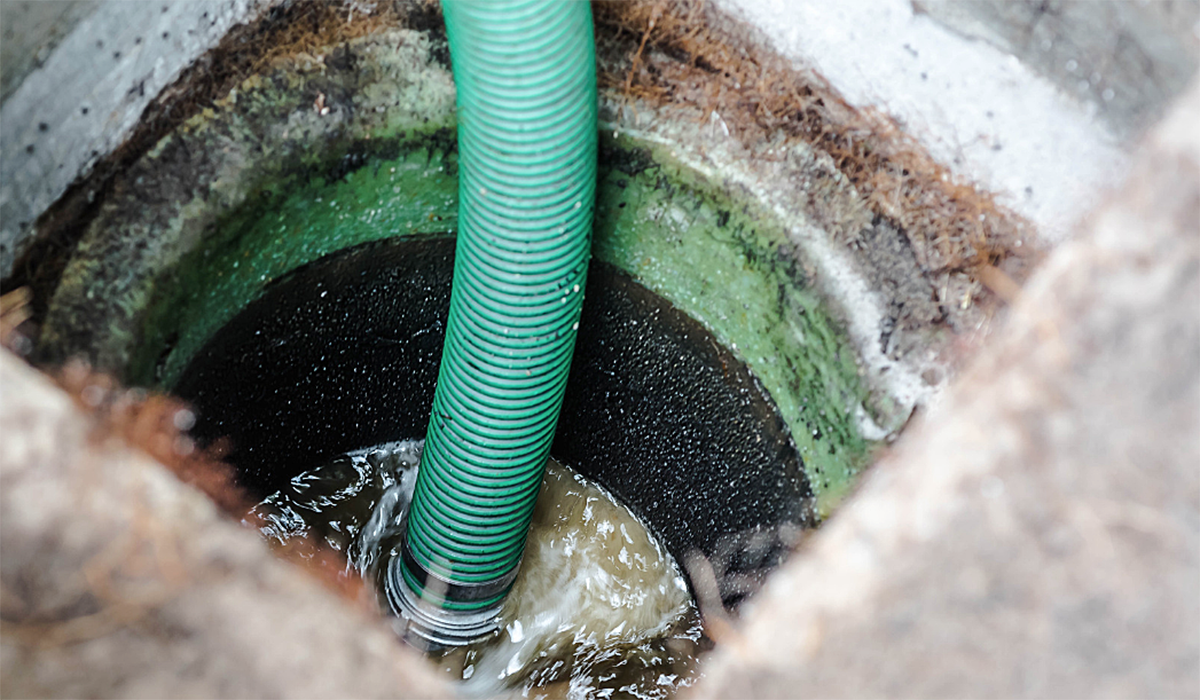
Septic tank pumping is an important component of septic system maintenance. Over time, solids accumulate in the tank, reducing its capacity and potentially leading to blockages and drain field failure. How often the system requires pumping depends on the tank size, household size and volume of wastewater entering the system.
In most cases, septic tanks require pumping every three to five years. However, if your household generates a significant amount of wastewater or if you have a smaller tank, more frequent pumping may be necessary. Therefore, we recommend a schedule based on your specific needs. Following an appropriate pumping schedule reduces the risk of blockages, overflows and expensive damage to the tank or drain field.
Drain Field Maintenance: Ensuring Optimal Functionality
Drain field maintenance can be overlooked, but it also plays an important role in the septic system’s overall performance. The drain field functions by filtering and distributing the treated wastewater within the soil, and maintaining its health is essential for preventing soil contamination and ensuring proper drainage.
To maintain your drain field:
- Avoid driving or parking vehicles over the drain field: Compaction can damage the pipes and reduce the soil’s ability to absorb wastewater.
- Plant only shallow-rooted vegetation: Deep roots can penetrate and damage the drain field pipes.
- Divert rainwater away from the drain field: Excess water can saturate the soil and impede drainage.
- Limit the use of chemical drain cleaners: These products can kill the beneficial bacteria in the septic tank and drain field.
- Conserve water: Reducing water usage minimises the load on the drain field.
The importance of maintaining a healthy drain field cannot be understated, as it ensures the long-term functionality of your system, and maintaining a healthy drain field is crucial for longevity and efficiency.
DIY Tips for Ongoing Septic Maintenance
While professional inspections and pumping are essential, there are several DIY tips you can follow to maintain your septic system between services:
- Use water efficiently: Install low-flow fixtures and repair leaks promptly.
- Dispose of waste properly: Avoid flushing non-biodegradable items, such as wipes, sanitary products, and plastics, down the toilet.
- Use septic-safe cleaning products: Choose products that are designed for septic systems to avoid harming the beneficial bacteria.
- Avoid overloading the system: Spread laundry loads throughout the week and avoid running excessive water at once.
- Keep a record: Maintain a log of all maintenance activities, including pumping dates and inspections.
By following these tips, you can extend the life of your septic system and minimise the risk of costly repairs.
Keep Your Septic System Working Reliably
Proper septic system maintenance is crucial for the health of your household and the environment, and by adhering to a regular septic maintenance schedule, including regular inspections, timely pumping, and drain field maintenance, you can ensure that your system functions efficiently for years to come. Clarence Valley Septics provides expert advice and services to help you maintain your septic system.
Contact us Today
Don’t wait until a blockage or overflow occurs. Contact Clarence Valley Septics to schedule professional septic tank pumping or discuss a maintenance plan suited to your property and household usage. Call +61 2 6645 3100 or send our team a message to arrange your service.