How to Maintain a Healthy Septic System
For many homes and businesses across Northern New South Wales, a septic system is an essential part of daily life. When it works well, it quietly manages wastewater without issue. However, when it fails, it can lead to unpleasant odours, costly repairs, and potential health risks.
Understanding how to care for your system is the best way to avoid problems. In this guide we explain the key steps involved in maintaining a healthy septic system, including system inspection, system maintenance, and septic tank cleaning.
Why Septic System Maintenance Matters
Regular septic system maintenance is critical to keeping your wastewater system working efficiently and safely. A septic system treats and disperses household or commercial wastewater underground. Over time, solid waste builds up in the tank while liquid effluent flows into the absorption trenches.
Without proper maintenance, sludge and scum levels can rise too high. This may block pipes, overload the drain field, or cause wastewater to back up into sinks and toilets. Repairs for these issues can be expensive and disruptive.
In Northern New South Wales, environmental conditions such as heavy rainfall can also impact how a septic system performs. Ongoing maintenance ensures that your system remains compliant with local regulations and continues to protect both your property and the surrounding environment.
The Importance of Septic System Inspection
A regular septic system inspection is one of the most important steps in preventing system failure. While some issues are hidden underground, a professional system inspection can identify problems early before they become serious.
During an inspection, trained technicians assess sludge and scum levels, check for leaks or cracks in the tank, examine inlet and outlet pipes, and ensure that the absorption area is functioning correctly. The technicians also look for signs of tree root intrusion or groundwater infiltration, which can affect system performance.
Homeowners and business operators should arrange a septic system inspection at least every one to three years, depending on usage and tank size. Properties with higher water use may require more frequent inspections.
A professional septic system inspection also provides peace of mind. It confirms that your system is operating safely and meeting environmental standards.
When and Why You Need Septic Tank Cleaning
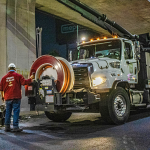
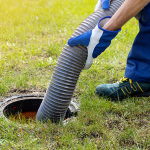
Septic tank cleaning, sometimes referred to as pumping, removes the accumulated sludge and scum that naturally build up inside the tank. Even with careful system maintenance, the solids present cannot break down completely. If they are not removed, they will eventually overflow into the drainage area.
Most homes typically require tank cleaning every three to five years to keep the system operating effectively. However, this timeframe can vary depending on:
- Household size
- Water usage habits
- Tank capacity
- Whether a garbage disposal unit is used
Warning signs that cleaning may be overdue include slow-draining sinks, gurgling pipes, unpleasant smells around the tank area, and damp patches in the yard near the absorption trenches.
Prompt septic tank cleaning prevents blockages, reduces the risk of system failure, and extends the lifespan of your entire wastewater system. It is a proactive step that saves money in the long run.
Tips for Ongoing Septic System Maintenance
Alongside professional services such as inspections and cleaning, there are practical steps you can take to support system maintenance.
To begin with, pay attention to what you allow to go down your drains. Avoid flushing wipes, sanitary products, nappies, or other non-biodegradable materials. These items do not break down properly and can quickly cause blockages.
Second, limit the use of harsh chemicals. Strong cleaning agents and antibacterial products can disrupt the natural bacteria inside the tank that help break down waste. Using septic-safe products supports natural treatment processes.
Third, manage water usage carefully. Spreading out laundry loads and fixing leaking taps reduces strain on the system. Excessive water flow can overload the tank and absorption area.
Finally, protect the area above your septic system. Do not drive vehicles over the tank or trenches and avoid planting large trees nearby. Roots can damage pipes and cause costly repairs.
These simple actions, combined with regular maintenance, will help ensure reliable operation for years to come.
Professional Septic Services in Northern New South Wales
While day-to-day care is important, professional expertise remains essential. Clarence Valley Septics provides reliable septic system inspection, septic system maintenance, and septic tank cleaning services across Northern New South Wales.
With years of local knowledge and experience, our team understands the soil conditions, rainfall patterns, and regulatory requirements of the region, and our services are designed to keep systems operating efficiently while meeting environmental and council standards.
Whether you own a rural property, manage a commercial site, or operate a residential development, working with an experienced team like ours ensures that every system inspection undertaken is thorough and every tank cleaning is completed safely and responsibly.
We also assist property owners with system advice, troubleshooting, and ongoing maintenance planning to reduce the risk of unexpected failures.
Protecting Your Septic System for the Long Term
Maintaining a healthy septic system requires attention, planning, and professional support. Regular system maintenance, timely tank cleaning, and routine system inspection all work together to prevent breakdowns and extend the life of your wastewater system.
By recognising early warning signs, managing water use carefully, and scheduling professional servicing, homeowners and businesses across Northern New South Wales can avoid costly disruptions and environmental harm.
A well-maintained septic system is not only a practical investment but also a responsible one.
Book Your System Inspection Today
If it has been several years since your last system inspection or tank cleaning, now is the time to act.
Clarence Valley Septics provides dependable septic system maintenance services throughout Northern New South Wales. Contact our experienced team today to arrange an inspection or discuss a maintenance schedule tailored to your property’s needs.
Taking proactive steps now will help ensure your system continues to operate safely and efficiently for many years to come.