Commercial Septic Tank Cleaning: What Businesses Need to Know
Businesses that rely on onsite wastewater systems need to keep septic tanks properly maintained. If solids are allowed to build up, the system can become less effective and may eventually cause drainage problems, unpleasant odours or other disruptions.
Knowing when a commercial septic tank needs cleaning, what affects servicing frequency and how septic waste should be removed can help businesses manage their wastewater system more reliably.
When Does a Commercial Septic Tank Need Cleaning?
Commercial properties can require different servicing intervals depending on their individual circumstances. Tank size, wastewater volumes, the number of people using the site and the type of business can all affect how quickly solids accumulate.
Clarence Valley Septics advises that septic tanks are typically pumped out every three to five years, although the appropriate frequency can vary according to usage and tank size.
For commercial properties, it is important to consider how heavily the system is being used rather than relying solely on a standard timeframe. A busy workplace with many employees or customers using its facilities each day may require more frequent servicing than a smaller, lower-use property.
Keeping a record of previous pump outs can help businesses establish a practical maintenance schedule and avoid leaving servicing until a problem develops.
Watch For Changes in System Performance
A septic tank may need attention before its next planned service if there are noticeable changes in how the wastewater system is performing.
Slow drainage, unpleasant odours, wet areas around the system or other changes can indicate that an onsite wastewater system is not operating properly.
These symptoms do not necessarily mean that the tank needs cleaning. There may be another issue affecting the system, so professional assessment can help determine what needs to be addressed.
For a business, acting when these warning signs appear can also help prevent a wastewater issue from becoming a larger operational disruption.
What Affects How Often a Tank Should Be Serviced?
The frequency of commercial septic tank cleaning can depend on a range of site-specific factors.
Tank capacity is one consideration. A larger tank can generally accommodate more accumulated material, while a smaller tank may require more frequent pump outs depending on how it is used.
Wastewater volumes are also important. A property with high daily usage will generally place greater demand on its septic system than one with fewer occupants.
The type of business can make a difference as well. Different commercial properties have different patterns of wastewater use, meaning their maintenance requirements will not necessarily be the same.
Changes in occupancy or activity may also affect servicing needs. A business that becomes significantly busier, for example, may need to review whether its existing maintenance schedule is still appropriate.
The best approach is to consider the actual use of the property, the capacity of the system and its servicing history when determining how often professional cleaning is required.
What Happens to the Septic Waste?
Septic tank cleaning involves more than simply pumping material out of the tank. Once removed, the accumulated liquid waste, sludge and scum need to be collected, transported and managed appropriately.
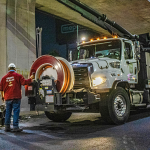
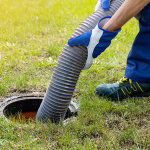
Professional septic tank services use specialised vacuum equipment to remove the material. It can then be transported to an appropriate treatment or processing facility.
This is an important part of responsible septic waste removal. Waste should not simply be discharged or disposed of without appropriate controls.
For businesses, using a professional provider means the tank cleaning and subsequent waste removal can be handled as part of the same service, rather than leaving the property owner or manager to arrange separate disposal.
Plan Commercial Septic Maintenance Ahead
Regular maintenance is easier to manage when it is included in the property’s broader maintenance schedule.
Businesses can keep records of previous pump outs, monitor changes in system performance and take periods of higher usage into account when reviewing their servicing requirements. It is also worth making sure the tank can be accessed by the service vehicle when cleaning is scheduled.
Planning ahead can be particularly useful for commercial properties where unexpected wastewater problems could interfere with normal operations.
Rather than waiting for obvious signs of failure, businesses should use their servicing history and actual wastewater usage to determine when professional cleaning is likely to be required.
Keep Your Septic System Working Reliably
Commercial septic tank cleaning requirements vary from one property to another. Tank size, wastewater volumes, business activity and system performance all play a role in determining an appropriate servicing schedule.
Regular professional cleaning also needs to include proper septic waste removal, with the collected material transported and managed through an appropriate facility.
Businesses across the Clarence Valley and nearby areas of Northern NSW can arrange commercial septic tank cleaning, pumping and septic waste removal through Clarence Valley Septics.
If your business is due for a septic tank pump out or you need advice about ongoing servicing, contact us on 6645 3100 to discuss your requirements.