Oily Water Disposal for Industrial Businesses
Industrial businesses need to manage oily water carefully to protect the environment, maintain safe worksites and meet their waste management obligations. Mechanical workshops, transport depots and industrial facilities can generate contaminated water through vehicle washing, equipment cleaning, spills and routine operations. If this wastewater enters stormwater drains or waterways, it can cause pollution and create costly compliance problems.
A reliable management process starts with understanding what the water contains, storing it safely and arranging appropriate collection and treatment. The right approach depends on its composition, volume and the requirements governing its disposal.
Keep Oily Water Contained and Separate
Oily water can contain petroleum products, lubricants, detergents, sediment and other contaminants. Even when oil is not immediately visible, the water may still require controlled handling.
Businesses should direct oily wastewater into appropriate collection pits, tanks or oil-water separators. Outdoor work areas also need protection against runoff reaching stormwater drains, particularly during rainfall.
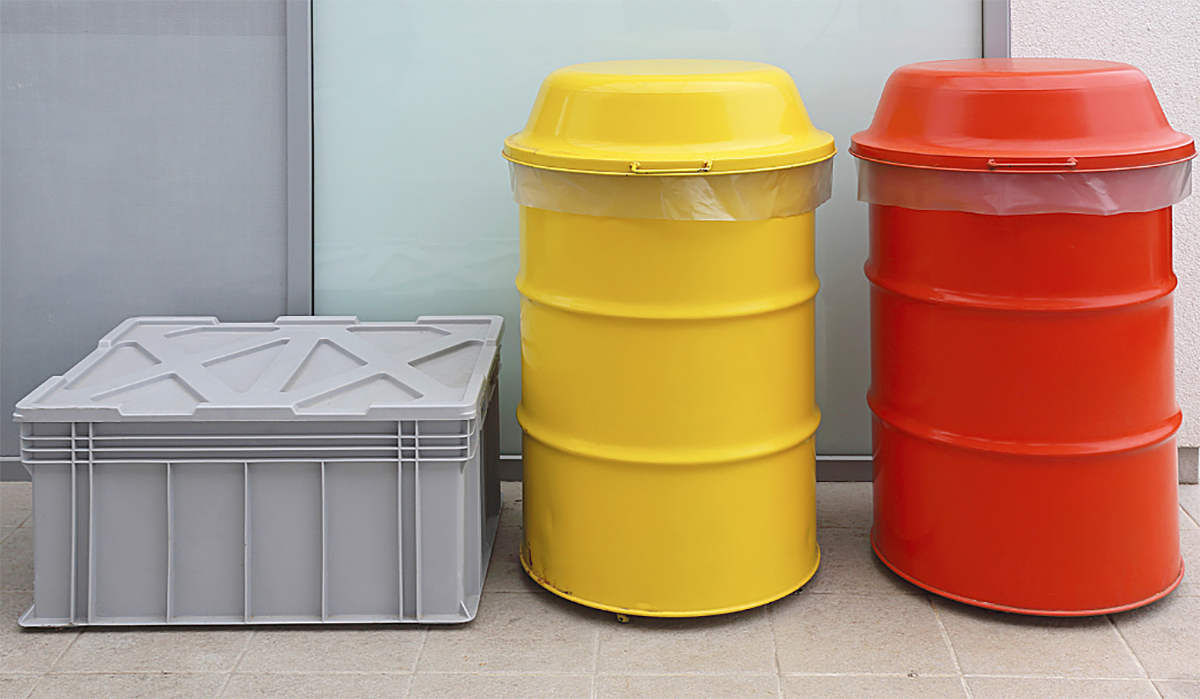
Use suitable storage tanks or containers and inspect them regularly for leaks, damage and signs of overflow. Where practical, keep rainwater out of storage systems to avoid increasing the volume requiring treatment.
Avoid mixing oily water with other liquid wastes unless the receiving treatment process can handle the combination. Solvents, cleaning chemicals and other industrial liquids may change how the waste must be managed. If the contents are uncertain, seek advice from a waste management provider before combining or transferring them.
Understand The Environmental Risks of Poor Disposal
Oil and water may separate naturally, but this does not make contaminated water safe to release. Small oil slicks can spread across waterways, while suspended particles and other contaminants may remain even after visible oil has been removed.
Discharging oily wastewater into stormwater drains can carry pollutants directly into creeks, rivers and coastal environments. These contaminants can harm aquatic organisms, degrade water quality and damage surrounding habitats. Spills can also contaminate soil and create additional clean-up requirements.
Poor management presents operational risks, too. Collection systems can become blocked or overflow, while inadequate storage may expose workers and contractors to oily wastewater. Uncontrolled disposal can also lead to regulatory action and disruption to business operations.
Preventing these problems requires businesses to identify areas where oily water is generated, monitor collection systems and arrange waste removal before storage capacity becomes an issue.
Maintain Separators and Arrange Appropriate Treatment
Oil-water separators help remove free oil from wastewater before it moves to another treatment stage or an approved discharge point. Gravity allows lighter oil to rise while heavier solids settle, making it easier to remove some contaminants.
However, separation does not remove every pollutant. Fine oil droplets, detergents and other substances may remain, so additional treatment may be necessary depending on the wastewater’s composition and intended destination.
Regular inspection and servicing help keep separators working effectively. Businesses should arrange for accumulated oil and sludge to be removed, check for damaged components and follow the equipment manufacturer’s maintenance recommendations.
Where wastewater is discharged to a public sewer, the relevant water provider may require pre-treatment equipment and a trade waste agreement. Water containing additional pollutants may need specialist processing at a facility equipped to accept it. Removing visible oil alone is not sufficient evidence that the water is safe to discharge.
Managing Oily Water Collection and Disposal
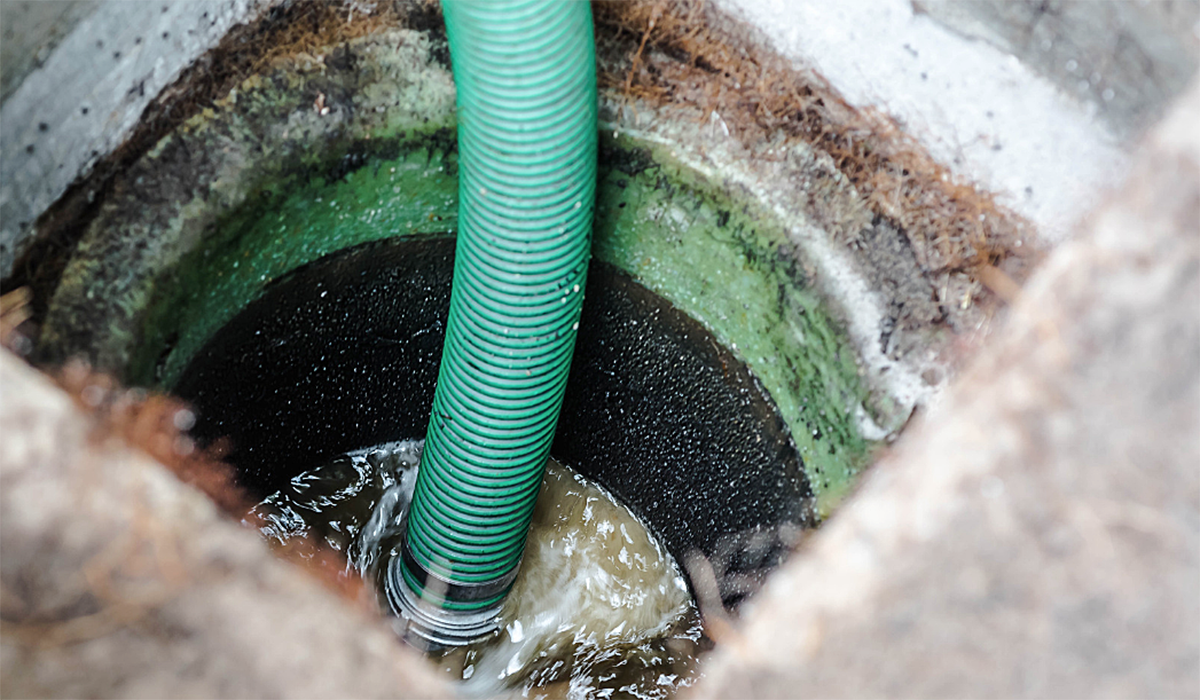
Industrial oily water collection is essential when wastewater cannot be adequately treated on-site. Collection requirements depend on the volume generated, storage capacity, contamination and available treatment options.
Businesses should monitor how quickly their tanks and pits fill and arrange collections that suit their operating conditions. Waiting until storage is nearly full increases the risk of overflows, particularly during heavy rainfall or periods of increased production.
Before booking a collection, explain where the wastewater comes from, its approximate volume and any chemicals or cleaning products it may contain. This information helps the provider determine suitable collection arrangements and identify any additional requirements before removal.
Disposal must comply with the requirements applying to the particular waste stream. Businesses should confirm that wastewater is sent to an appropriately authorised facility and retain collection and disposal records where required.
Make Oily Water Management Part of Daily Operations
A practical management plan helps control wastewater without disrupting normal work. Assign responsibility for checking storage areas, inspecting separators and arranging collections. Keep records of servicing, waste volumes and spills so recurring problems can be identified and addressed.
Review these arrangements when operations change. New equipment, different cleaning products or increased production can alter the volume and composition of wastewater. Adjusting storage and collection schedules accordingly helps prevent problems before they affect the business.
Manage Industrial Oily Water with Clarence Valley Septics
Safe oily water disposal depends on effective containment, appropriate treatment and reliable collection. Establishing clear procedures helps industrial businesses reduce environmental risks while maintaining efficient operations.
Clarence Valley Septics provides oily water collection, removal, processing and disposal services for commercial and industrial customers across the Clarence Valley and Coffs Coast regions.
If your business needs help managing oily water, contact us on 02 6645 3100 to discuss your requirements and arrange a suitable service.