Grease Trap Maintenance for Commercial Kitchens
Commercial kitchens produce fats, oils and grease through cooking, food preparation and dishwashing. Without proper management, these materials accumulate in grease traps and drains, causing unpleasant odours, blockages and potential disruptions to service.
Regular grease trap maintenance helps food businesses keep their kitchens operating smoothly. Knowing when a trap needs cleaning, how often to schedule servicing and how to manage waste responsibly can help prevent avoidable problems.
What Happens When Grease Builds Up?
Grease traps capture fats, oils and grease before they enter the sewer system. As wastewater passes through the trap, these materials separate from the water and accumulate alongside food particles and other solids.
Over time, the build-up reduces the trap’s available capacity and can affect its performance. If the waste is not removed, grease may enter downstream pipework, contributing to blockages in drains and sewer infrastructure.
For a commercial kitchen, this can mean slow-draining sinks, persistent smells and wastewater backups. These problems can affect hygiene, interrupt food preparation and require urgent plumbing work. Regular servicing helps prevent the trap from becoming overloaded.
Warning Signs That Your Grease Trap Needs Attention
A grease trap may require cleaning before a serious blockage develops. Staff should watch for changes in drainage, smells and the condition of the surrounding area.
Common warning signs include:
- Slow-draining sinks: Water takes longer than usual to drain, potentially indicating a build-up in the trap or connected pipework.
- Persistent unpleasant odours: Strong smells around sinks, floor drains or the trap may indicate accumulated waste.
- Recurring blockages: Repeated drainage problems can suggest grease is entering the plumbing or the trap is no longer working effectively.
- Visible grease or overflowing waste: Grease around access covers or signs of an overflow require prompt attention.
These symptoms can also indicate other plumbing problems. However, they should not be ignored. Arrange an inspection if warning signs appear rather than waiting for the system to fail.
How Often Should Commercial Grease Traps Be Cleaned?
The right servicing frequency depends on the trap’s capacity, the volume of wastewater it receives and the type of food preparation taking place. A busy restaurant may accumulate grease and solids more quickly than a small café.
Businesses should follow the servicing frequency specified by their relevant water authority, council or trade waste approval. Requirements vary by location.
Keep records of service dates and monitor how the trap performs between collections. If drainage problems or odours develop before the next scheduled visit, ask your service provider whether more frequent cleaning is necessary.
A planned schedule helps businesses manage maintenance around trading hours and reduces the likelihood of needing an urgent service.
Why Proper Grease Trap Waste Disposal Matters
Cleaning a grease trap involves more than just removing its contents. The collected material contains fats, oils, grease, solids and wastewater that must be handled and processed appropriately.
Improper disposal can harm the environment. Grease entering stormwater drains or waterways can cause pollution, while grease discharged into sewer infrastructure can contribute to blockages and overflows.
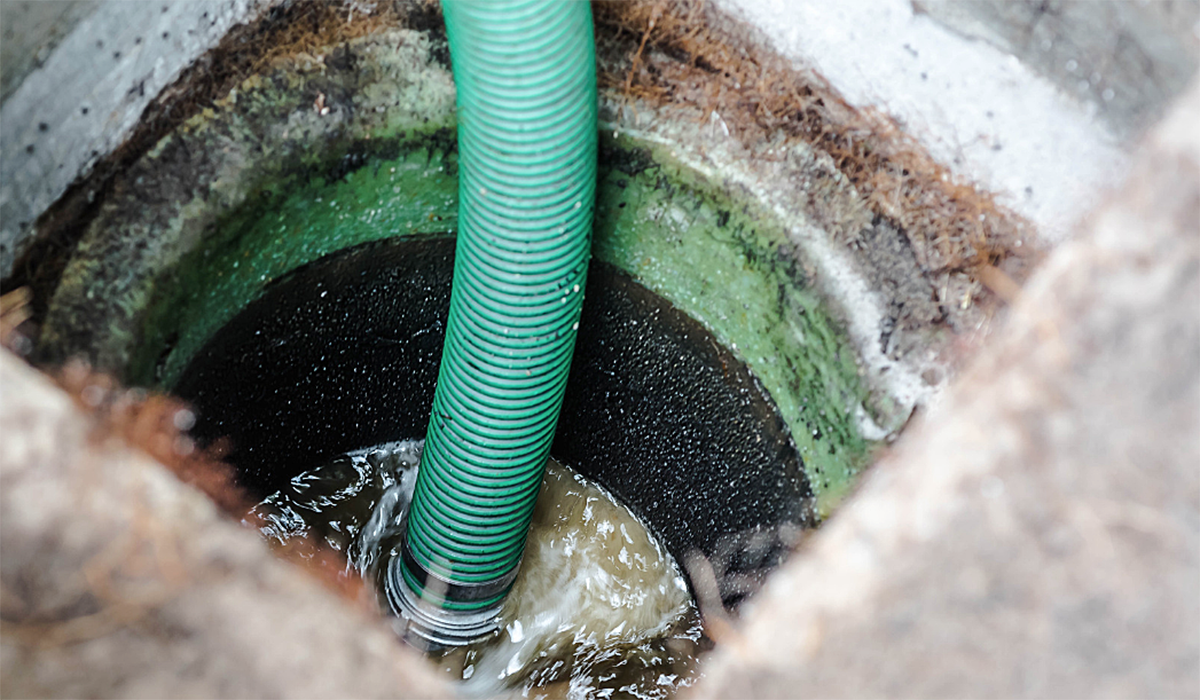
Professional grease trap waste disposal helps ensure waste is handled responsibly. For example, Clarence Valley Septics uses specialised vacuum tankers to collect grease trap waste and takes it to its liquid food waste processing facility for separation and further treatment.
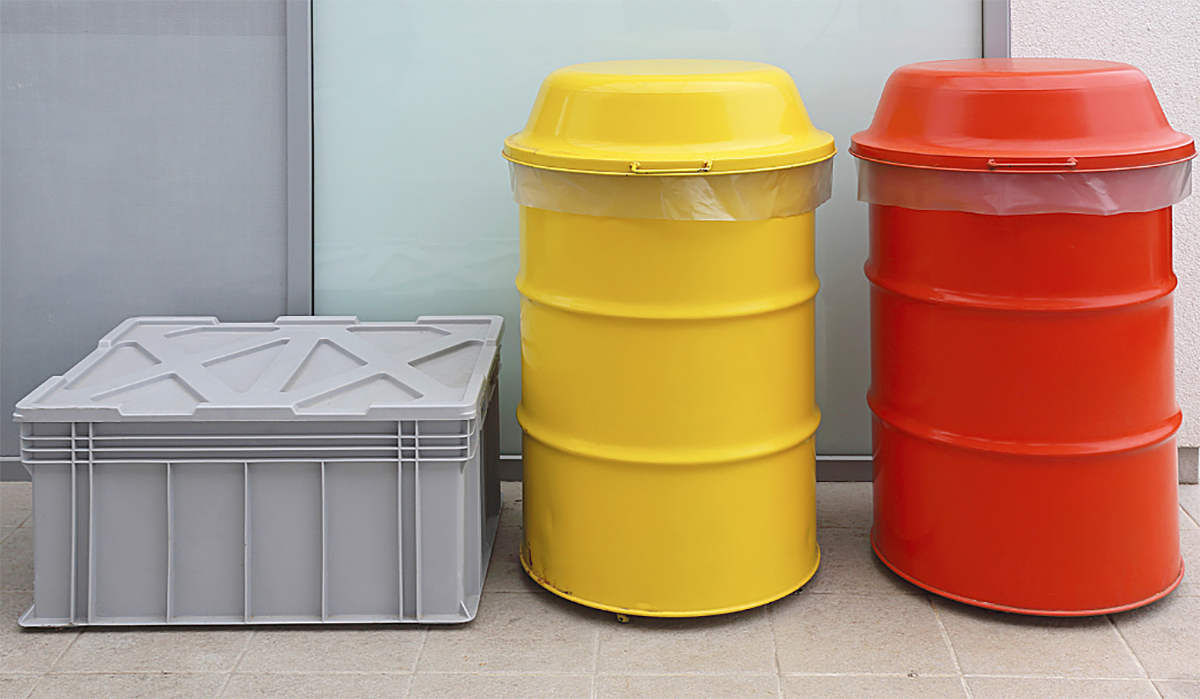
Used cooking oil should be managed separately from grease trap waste. Store it in suitable sealed containers and arrange collection by an appropriate oil recycler. Never pour it down the sink or into stormwater drains.
When choosing grease trap cleaning services, confirm that the provider meets the requirements applicable to your premises and can supply relevant service or disposal records.
Everyday Practices That Support Reliable Maintenance
Kitchen staff can help reduce the amount of grease and solid waste entering the plumbing between services.
Simple steps include scraping food scraps into the appropriate bin before washing dishes and wiping excess grease from pans and utensils with paper towels where practical. Sink strainers and floor waste traps can also capture food solids where required, provided they are emptied regularly.
Staff should also know how to separate used cooking oil and report slow drainage, unusual smells or other signs of trouble.
Make sure the grease trap is accessible when a collection is scheduled. Keep access points clear of stored equipment, supplies and other obstructions so the service provider can reach the unit and carry out the work safely.
These measures support day-to-day maintenance but do not replace professional cleaning. Regular pump-outs are still necessary to maintain the trap’s capacity and performance.
Arrange Grease Trap Servicing for Your Business
Regular maintenance helps reduce the risk of disruptions and environmental harm.
Clarence Valley Septics provides grease trap collection, removal and waste processing services for clients across the Clarence Valley, Coffs Coast and surrounding areas of Northern NSW.
Contact us on 6645 3100 to discuss your requirements and arrange a suitable servicing schedule.