How Businesses Can Manage Waste from Industrial Wash-Down Areas
Industrial and commercial wash-down areas can generate more than dirty water. Depending on the activity, runoff may contain oil, grease, sediment, chemicals, detergents and other contaminants that should not enter stormwater drains or the surrounding environment.
Managing this waste starts with controlling where wash-down water goes, identifying what it contains and arranging appropriate collection and disposal. For businesses with regular wash-down activities, a planned approach can reduce environmental risks and make liquid waste management easier.
Keep Contaminated Wash-Down Water Contained
The first step is to prevent contaminated water from leaving the designated wash-down area. Wash-down activities should be confined to a suitable wash bay, with runoff directed to an appropriate collection system rather than stormwater drains.
Wash-down areas should be designed and maintained so water is captured rather than allowed to flow across surrounding ground. Depending on the site and activity, this may involve bunding, sealed surfaces, collection pits or tanks and suitable drainage arrangements.
Staff should also understand which areas can be used for wash-down activities and where the resulting wastewater should go. Stormwater systems are designed to carry rainwater, not contaminated industrial wastewater, and pollutants such as oil, sediment and chemicals can reach waterways if they enter the drainage system.
Identify And Separate Different Waste Streams
Not all wash-down waste should be treated in the same way. The substances present will depend on what is being cleaned and the processes carried out at the site.
Wash-down water may contain:
- oil and oily water
- soil, sand and sediment
- grease and other residues
- detergents or cleaning products
- chemicals used during industrial processes
- contaminants from equipment, vehicles or work areas
Where different waste streams are incompatible, they may need to be kept separate rather than combined. Separating waste at the source can make treatment, recovery or disposal more straightforward and help a business understand what it is generating.
Choose The Right Disposal Path
Once wash-down wastewater has been collected, businesses need to determine where it can legally and safely go. There is no single disposal method suitable for every type of contaminated wastewater.
Some wastewater may be suitable for discharge to the sewer, but this generally requires approval under a trade waste arrangement with the relevant water or sewerage authority. Pre-treatment may also be required before discharge, depending on the waste.
Other waste may need to be collected and transported to an appropriate treatment, processing or disposal facility. Requirements can apply to the generation, storage, transport, treatment and disposal of hazardous and liquid wastes, with some waste streams also subject to tracking requirements.
Businesses should not assume contaminated wash-down water can simply be discharged because it appears relatively clean. The appropriate pathway depends on what the waste contains and the requirements applying to the site.
Manage Oils, Sediment and Other Contaminants
Oily water and sediment require particular attention in industrial wash-down areas. Oil can contaminate waterways and interfere with wastewater treatment, while accumulated sediment can block drainage infrastructure.
Where oil is present, suitable collection and separation systems may be required before wastewater can be discharged or otherwise managed. Sediment and solids may also need to be captured and removed rather than allowed to accumulate within collection infrastructure.
Regular inspection and maintenance are important. Collection pits, tanks, separators and other equipment can become less effective when solids or oils build up. Businesses should have a process for checking these systems and arranging servicing or waste removal when required.
Arrange Appropriate Liquid Waste Removal
For businesses that generate significant volumes of contaminated wash-down water, liquid waste removal can form part of an ongoing waste management plan.
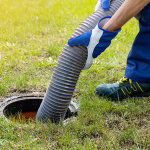
Waste should be collected using equipment appropriate for the type and volume of material involved, then transported to an appropriate destination for treatment, recovery or disposal.
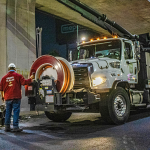
Professional liquid waste services can help with this process. Clarence Valley Septics provides liquid waste collection, removal, processing and disposal for commercial and industrial activities, including polluted water, oily waters, waste oil and chemical waste.
Make Wash-Down Waste Part of Your Routine
Managing wash-down waste effectively is easier when it is treated as an ongoing operational responsibility rather than something to address only when a collection tank is full.
Businesses should know what contaminants their activities can generate, where wash-down water is collected, which waste streams need to remain separate and what disposal pathway applies to each one.
It is also important to confirm whether approvals, pre-treatment, waste tracking or other regulatory requirements apply to the particular waste being generated. Requirements can vary according to the waste type, activity and disposal method.
By containing wash-down water, separating incompatible waste streams and arranging appropriate collection and processing, businesses can reduce the risk of contaminated liquids reaching drains and the environment while maintaining a more organised approach to industrial liquid waste management.
If your business needs help managing contaminated wash-down water, oily water or other industrial liquid waste, Clarence Valley Septics can provide liquid waste services for collection, removal, processing and disposal. Contact our team to discuss your requirements and arrange an appropriate solution.