Septic System Maintenance and Servicing in the Clarence Valley
Many rural homes, farms, and commercial sites depend on septic infrastructure, making proper care and professional support vital for long term performance. Understanding how a septic system operates is essential for maintaining hygiene, protecting the environment, and avoiding costly repairs. This guide explains how septic systems work, why regular servicing matters, and how to recognise early signs that a problem may be developing.
Understanding Septic Systems
A septic system is designed to treat wastewater safely onsite by separating solids, liquids, and scum within a sealed underground tank. Wastewater flows from the property into the tank, where natural bacteria break down organic matter. Partially treated liquid then moves to an absorption area or trench system where further filtration occurs through soil layers.
Because local conditions such as soil composition, rainfall patterns, and property size influence the system design, correct installation and maintenance are essential. Homeowners and site managers benefit from learning how water usage habits, cleaning products, and drainage conditions affect system efficiency. Responsible management reduces the risk of blockages, unpleasant odours, and environmental contamination that may impact surrounding waterways or neighbouring properties.
The Importance of Septic Tank Cleaning
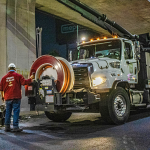
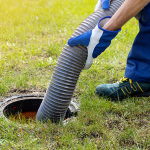
Routine septic tank cleaning helps prevent solid waste from building up and disrupting the treatment process. Over time, sludge accumulates at the bottom of the tank, reducing available capacity and increasing the likelihood of overflow or system failure. Regular pump outs remove this material and support consistent wastewater treatment performance.
The recommended cleaning schedule varies depending on household size, water consumption, and tank volume. Most properties require servicing every three to five years, while high usage sites such as tourist accommodation or commercial premises may need more frequent attention. Professional technicians assess tank levels, inspect internal components, and identify potential issues before they become major repairs. This preventative approach can extend system lifespan and protect property value.
The Benefits of Septic System Servicing
Engaging reliable septic system servicing provides peace of mind for property owners seeking dependable wastewater management solutions. Scheduled inspections ensure that the inlet and outlet pipes remain clear, distribution areas function correctly, and ventilation systems operate as intended. The early detection of cracks, leaks, or drainage concerns allows for timely intervention.
Servicing also supports compliance with local environmental standards and council requirements. Properly maintained systems reduce the risk of untreated wastewater entering soil or waterways, helping safeguard public health and local ecosystems. For rural landholders, preventative servicing contributes to sustainable land use and protects groundwater resources that may be shared with neighbours. Consistent professional oversight enables systems to perform efficiently throughout changing seasonal conditions.
Warning Signs and Environmental Considerations
Recognising early warning signs can help residents respond quickly to potential septic problems. Slow draining sinks, persistent damp patches near disposal areas, strong odours, or unusually lush vegetation may indicate system stress or overflow. Addressing these issues promptly reduces the likelihood of contamination and costly emergency repairs.
Environmental awareness is particularly important in the Clarence Valley, where properties often sit near creeks, floodplains, or agricultural land. Heavy rainfall and flooding can saturate soil and affect absorption trenches, making regular inspections even more valuable. Responsible water use, careful disposal of household chemicals, and mindful landscaping around disposal areas can all improve system resilience. By adopting these simple practices, property owners support both environmental protection and reliable wastewater treatment outcomes.
Preventative Care and Professional Support
Preventative care strategies play a key role in maintaining long term septic performance. Property owners can minimise the strain on their system by spreading laundry loads throughout the week, repairing leaking taps, and avoiding flushing non-biodegradable items. Choosing septic safe cleaning products also helps preserve the beneficial bacteria within the tank.
Working with an experienced local provider like Clarence Valley Septics ensures that maintenance schedules align with regional conditions and property requirements. Professional technicians offer tailored advice, detailed inspections, and efficient pump out services that support consistent system operation. Their knowledge of local soil types, weather patterns, and regulatory expectations allows them to recommend practical solutions for residential, rural, and commercial clients alike.
Protecting Wastewater Systems Through Regular Care
Maintaining a septic system requires awareness, planning, and ongoing professional support. By prioritising routine inspections, timely septic tank cleaning, and dependable septic system servicing, property owners can reduce risks and protect their investment. Responsible wastewater management supports environmental health, community wellbeing, and long-term property functionality. With preventative care and informed decision making, septic systems can operate efficiently for many years while meeting local compliance expectations.
Arrange For Trusted Septic Servicing Today
For reliable guidance and professional maintenance solutions, Clarence Valley Septics provides practical support tailored to local property needs. Whether you need septic tank cleaning or routine septic system servicing, our experienced team can help you. Contact Clarence Valley Septics today to arrange an inspection, discuss preventative care options, and ensure that your wastewater system continues operating safely, efficiently, and in line with government requirements.