The Safe Disposal of Chemical Waste: Protecting the Environment and Meeting Compliance
The safe disposal of chemical waste is a serious responsibility for businesses, farms and households across Northern New South Wales. When chemical waste is not handled correctly, it can harm people, damage property and pollute soil and waterways. It can also lead to significant fines and legal action.
For organisations that produce chemical waste, understanding the risks and meeting compliance obligations is essential. With professional support from Clarence Valley Septics, businesses in the Northern Rivers can manage their waste safely, responsibly and in line with Australian regulations.
The Risks of Improper Chemical Waste Management
Chemical waste management is not simply about getting rid of unwanted substances. It involves identifying, storing, transporting and disposing of materials that may be toxic, flammable, corrosive or reactive.
Improper chemical waste management can result in serious environmental damage. Chemicals that enter stormwater systems can contaminate rivers and groundwater. Hazardous vapours may affect air quality, while spills can make land unusable. In regional communities, these impacts can affect agriculture, wildlife and local drinking water supplies.
There are also health risks. Workers exposed to unsafe storage or handling practices may suffer burns, respiratory issues or long-term illness. Because of these dangers, the disposal of hazardous chemicals must always follow strict safety procedures.
The Regulations for Hazardous Chemical Disposal in Australia
Across Australia, hazardous chemical disposal is regulated by state and federal legislation. In New South Wales, businesses must comply with environmental protection laws that control how chemical waste is classified, stored, transported and disposed of.
Failure to comply with these laws can result in heavy penalties. Authorities may issue fines, prosecute offenders or require costly clean-up operations. For this reason, hazardous chemical disposal should only be carried out by trained professionals who understand the legal requirements.
Compliance involves accurate record keeping, correct labelling, the use of approved containers and engaging licensed transporters. By working with experienced providers, businesses can be confident that their chemical waste management processes meet regulatory standards.
The Types of Chemical Waste Businesses Might Generate
Chemical waste comes in many forms. Common examples include:
- Laboratory chemicals and reagents
- Solvents and cleaning agents
- Paints, thinners and adhesives
- Oils and fuels
- Agricultural chemicals and pesticides
- Acids and alkalis
- Contaminated water or sludge
Each type of waste may require a different approach to its disposal. Some substances are highly flammable, while others are corrosive or toxic. Proper classification is the first step in safe chemical waste management.
Businesses in sectors such as automotive repair, manufacturing, agriculture and hospitality should regularly review the types of chemical waste that they generate and ensure suitable disposal methods are in place.
Safe Storage and On-Site Handling Before Collection
Before the collection of chemical waste takes place, safe storage is critical. Incorrect storage can lead to leaks, chemical reactions or workplace accidents.
Containers should be clearly labelled with the contents and hazard warnings. They must be compatible with the chemical being stored and kept sealed when not in use. Substances that can react with each other should be kept apart to avoid chemical reactions.
Storage areas must have good ventilation and be shielded from very high or very low temperatures. Spill kits and emergency procedures must be readily available. Staff should receive training in chemical waste management to reduce the risk of accidental exposure.
Arranging for regular chemical waste collection also prevents waste from accumulating on site. The longer hazardous materials are stored, the greater the risk of incidents.
The Importance of Certified Chemical Waste Services
Employing certified professionals for chemical waste collection is one of the most important steps in responsible waste management. Licensed transporters are trained to handle hazardous materials safely and in accordance with regulations.
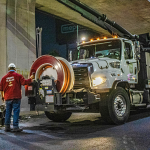
During collection, specialised vehicles and containment systems are used to prevent leaks and spills. Documentation is completed to track the waste from collection to final disposal, ensuring full transparency and compliance.
Attempting to transport hazardous materials without proper authorisation can be illegal and dangerous. By relying on experienced providers, businesses protect their staff, the community and the environment.
How Clarence Valley Septics Delivers Compliant Chemical Waste Management
Clarence Valley Septics provides reliable chemical waste management services throughout Northern New South Wales. With our local knowledge and industry experience, we support businesses in meeting their environmental responsibilities.
Our services include chemical waste collection, safe transportation and coordination of chemical disposal. By following strict procedures and maintaining high safety standards, Clarence Valley Septics helps reduce environmental risk and ensures compliance with the relevant government legislation.
Our team understands the unique needs of regional industries and works closely with our clients to develop practical solutions. Whether managing routine waste streams or responding to specific requirements, we provide professional guidance at every stage.
Through clear communication, proper documentation and adherence to best practice processes, Clarence Valley Septics offers peace of mind to businesses across the region.
Protecting the Environment Through Responsible Chemical Waste Management
The safe disposal of chemical waste is essential for protecting people, property and the environment. Improper handling can result in pollution, health risks and serious legal consequences.
By understanding the different types of chemical waste, following safe storage guidelines and engaging certified providers, businesses can meet their obligations with confidence. Chemical waste management is not an area where shortcuts should ever be taken.
With professional support and a commitment to compliance, organisations can reduce risk and contribute to a cleaner, safer future for communities across Northern New South Wales.
Partner with Clarence Valley Septics for Safe Chemical Waste Collection and Disposal
If your business requires dependable chemical waste collection or support with hazardous chemical disposal, Clarence Valley Septics is ready to assist. Our experienced team delivers compliant, environmentally responsible chemical waste management services tailored to local needs.
Contact us today to discuss your requirements and ensure that your chemical waste is handled safely and in full accordance with Australian law.