The Importance of Grease Trap Cleaning for Commercial Kitchens
For cafés, restaurants, takeaway shops and catering businesses across Northern New South Wales, managing waste is a critical part of daily operations. While food quality and customer service are front of mind, the waste systems behind the scenes are just as important. This includes one essential component – the grease trap.
Grease traps are designed to manage commercial kitchen waste safely and in line with regulations. Without proper cleaning and upkeep of a trap, plumbing issues, environmental damage and legal problems can occur. This article explains how grease traps work, why they are required, how often they should be cleaned, and how Clarence Valley Septics supports local businesses with professional servicing.
The Role Grease Traps Play in Managing Commercial Kitchen Waste
A grease trap is a plumbing device designed to intercept fats, oils and grease before wastewater flows into the sewer network. In commercial kitchens, large amounts of grease and food particles are washed down sinks every day. If this waste flows directly into pipes, it can cause serious blockages.
Grease traps operate by reducing the speed at which wastewater moves through the system. As the water cools, fats and oils float to the top, while heavier food solids settle at the bottom. The relatively cleaner water in between then flows into the sewer.
Without a properly functioning grease trap, grease can harden inside pipes, restricting flow and increasing the risk of overflow. For hospitality venues, the effective management of their kitchen waste is essential to prevent disruptions and costly repairs.
Why Grease Traps Are Legally Required
In Australia, most local councils require food businesses to install and maintain grease traps. Hospitality venues produce far more grease than residential properties, and sewer systems are not designed to handle these volumes without treatment.
When grease enters the public sewer network, it can combine with other waste and create significant blockages. These blockages may affect multiple properties and lead to expensive repairs. For this reason, authorities require businesses to undertake proper grease trap maintenance.
Failure to comply with council or water authority requirements can result in fines or other enforcement action. Regular grease trap cleaning helps businesses meet their legal obligations and demonstrate responsible waste management practices.
The Environmental Risks of Poor Grease Trap Maintenance
Neglecting grease trap maintenance can have environmental consequences. When traps are not cleaned regularly, they can overflow or allow grease to pass into the sewer system. In some cases, this waste can reach local waterways.
Fats, oils and food waste can reduce water quality and harm aquatic ecosystems. In a region like Northern New South Wales, known for its rivers and coastal areas, protecting the environment is a shared responsibility.
Poorly maintained systems can also create unpleasant odours and attract pests, affecting both staff and customers. Managing kitchen waste properly reduces these risks and supports a cleaner local community.
Additionally, routine grease trap maintenance ensures that waste is collected and disposed of in accordance with environmental standards.
How Often Grease Trap Cleaning Services Are Needed
The required frequency of grease trap cleaning services depends on several factors, including the size of the trap and the volume of cooking carried out onsite. As a general guide, most commercial kitchens require servicing every one to three months.
High-volume venues may need more frequent cleaning, while smaller operations may follow a slightly longer schedule, depending on council requirements. Waiting until there is a visible issue is not recommended.
Common signs that grease trap maintenance is overdue include:
- Slow-draining sinks
- Strong or unpleasant smells
- Gurgling sounds in plumbing
- Grease visible around lids or drains
- Wastewater backups
Regular, scheduled grease trap cleaning services help prevent these problems and reduces the likelihood of emergency callouts.
Problems Caused by Neglect
When grease traps are not maintained, the build-up of fats and solids can quickly lead to operational issues. Blocked pipes are one of the most common problems. As grease hardens, it restricts flow and may require specialised equipment to remove it.
Overflow is another serious concern. An overfilled grease trap can cause wastewater to back up into sinks or spill into surrounding areas. This creates a health risk and may result in temporary kitchen closure while the issue is resolved.
Odours from decomposing kitchen waste can also affect the dining environment and damage a business’s reputation. Consistent grease trap maintenance significantly reduces these risks and supports smooth day-to-day operations.
How Clarence Valley Septics Supports Local Businesses
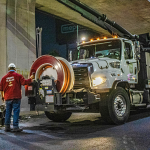
Clarence Valley Septics provides professional grease trap cleaning services to hospitality businesses throughout Northern New South Wales. With experience in servicing a wide range of commercial kitchens, our team understands the importance of reliable and compliant waste management.
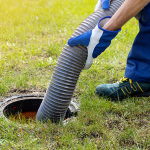
Our services include scheduled pump-outs, the safe removal of grease and solids, and responsible disposal in line with regulatory requirements. By offering tailored grease trap maintenance, Clarence Valley Septics helps businesses stay compliant and avoid unnecessary disruptions.
Working with a local provider ensures prompt service and an understanding of council expectations. For cafés, restaurants and food operators, this support is an important part of managing their kitchen waste effectively.
Protecting Your Business Through Proper Grease Trap Maintenance
Grease traps are a vital safeguard for commercial kitchens. They protect plumbing systems, help businesses comply with legal requirements, and reduce environmental risks. Without regular grease trap maintenance, hospitality venues face the possibility of blockages, fines and reputational damage.
Effective management of commercial kitchen waste is not just a regulatory requirement; it is a practical step in protecting your business and the wider community.
Arrange Professional Grease Trap Cleaning Services
If you operate a hospitality business in Northern New South Wales, reviewing your grease trap maintenance schedule is essential. Clarence Valley Septics offers dependable grease trap cleaning services which can be tailored to your needs.
Contact us today to arrange professional servicing and ensure that your commercial kitchen waste is managed safely and in compliance with local regulations.