Managing Oily Water Waste
Managing oily water waste is an ongoing challenge for many Australian businesses. Automotive workshops, service stations, transport depots and industrial facilities all generate wastewater that contains oil, fuel residues and grease. If this waste is not handled correctly, it can damage plumbing, pollute waterways and result in serious penalties.
For businesses in Northern New South Wales, professional support is essential. Clarence Valley Septics provides reliable services to ensure that oily water is managed safely, legally and responsibly. Understanding how oily water forms, how it should be treated, and what your obligations are can help protect both your business and the environment.
Oily Water Collection
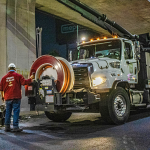
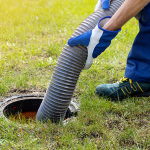
Oily water collection is the first step in managing contaminated wastewater. In workshops and service stations, oily water often comes from wash bays, floor cleaning, parts washing and stormwater runoff from forecourts. This water usually contains a mixture of hydrocarbons, detergents, sediment and other contaminants.
Oil and water naturally do not blend together. Instead, oil tends to float on the surface while heavier particles sink. Over time, this mixture can build up in pits, tanks and separators. Without proper collection, these systems can overflow or allow contaminated water to enter stormwater drains.
Regular oily water collection ensures that pits and separators continue to function properly. It prevents blockages and reduces the risk of environmental harm. For businesses in regional areas such as the Clarence Valley, proper collection is especially important because local waterways and coastal environments are sensitive to pollution.
The Legal Requirements for Oily Water Disposal
Oily water disposal is regulated under environmental protection laws in New South Wales. Businesses have a legal duty to ensure that their waste is transported and processed by licensed operators. Improper disposal can lead to fines, prosecution and reputational damage.
Waste containing oil is classified as a controlled or hazardous waste. This means it cannot simply be discharged into the sewer or stormwater system. Even trace amounts of oil can pollute large quantities of water and pose a threat to aquatic life.
When arranging oily water disposal, businesses must keep accurate records. Waste transport certificates and disposal documentation are often required to demonstrate compliance. Using an experienced provider reduces the administrative burden and ensures all legal obligations are met.
Clarence Valley Septics manages oily water disposal in accordance with current regulations. Collected waste is transported to approved facilities where it can be processed correctly. This provides peace of mind that your business is meeting its environmental responsibilities.
How Oily Water Treatment Works
Oily water treatment separates contaminants so that the water can be reused or safely discharged. Most commercial sites use oil-water separators as a first line of defence. These systems rely on gravity to allow oil to rise to the surface, where it can be removed.
However, basic separation is not always enough. Some facilities require additional oily water treatment methods, such as filtration, coalescing plate separators or dissolved air flotation systems. These technologies improve the removal of fine oil droplets and suspended solids.
In certain cases, recovered oil can be recycled. Reprocessing waste oil reduces the need for virgin resources and supports a more sustainable waste management approach. Clarence Valley Septics works with appropriate processing facilities to ensure that waste oil is managed responsibly wherever possible.
Regular maintenance is essential for effective oily water treatment. If separators are not cleaned and inspected routinely, their performance can decline. Sludge build-up, damaged components or poor design can all reduce efficiency. Partnering with a professional service provider helps ensure systems remain compliant and operational.
Common Challenges for Automotive and Industrial Sites
Automotive workshops and service stations often operate in confined spaces with high vehicle traffic. Spills and leaks are common, and wash-down areas can quickly accumulate oily residues. Without consistent oily water collection, these contaminants may spread beyond designated areas.
Industrial facilities face additional challenges, including larger volumes of wastewater and more complex chemical mixtures. In these environments, best practice procedures are critical to avoid cross-contamination and costly clean-ups.
Weather can also be a factor. Heavy rainfall may overwhelm drainage systems, increasing the risk of contaminated runoff. Preventative maintenance and scheduled disposal help reduce this risk.
Some businesses underestimate the amount of oily waste that they produce. Over time, even small daily discharges can add up. A professional assessment can identify potential problem areas and recommend practical improvements.
Why Choose Clarence Valley Septics?
Clarence Valley Septics is a locally owned and operated company serving Northern New South Wales. With extensive experience in liquid waste management, our team understands the needs of regional businesses.
Our services include certified oily water collection, safe transport and compliant oily water disposal. We place a strong focus on environmental protection and regulatory compliance. By using the latest equipment and trained personnel, we ensure that waste is handled safely from start to finish.
Partnering with a local provider brings extra advantages. Response times are faster, and services can be customised to suit each site’s requirements. Whether you operate a small mechanical workshop or a large industrial facility, Clarence Valley Septics can develop a maintenance schedule that supports effective oily water treatment and ongoing compliance.
Protecting Your Business and the Environment
Managing oily water waste is not just a routine task. It is a critical responsibility that protects your business, your community and the environment. Proper oily water collection prevents system failures and pollution. Compliant oily water disposal ensures that you meet legal obligations. Effective oily water treatment supports sustainability and operational efficiency.
For businesses in Northern New South Wales, professional support makes all the difference. By partnering with an experienced provider like Clarence Valley Septics, you can reduce your risk and focus on running your operations with confidence.
Book Professional Oily Water Services Today
If your business generates oily wastewater, now is the time to review your systems and ensure that they are compliant. Clarence Valley Septics offers reliable oily water collection, safe oily water disposal and responsible oily water treatment solutions across the region.
Contact us today to discuss your requirements and arrange a tailored service plan. Our experienced team is ready to help you manage your oily water waste safely and efficiently.